When a garage door spring snaps or a cable frays, the instinct is to head to the nearest hardware store and grab a repair kit. It seems practical — the parts are affordable, the instructions look straightforward, and you’re back in business by the weekend. But what those kits don’t tell you is what happens six months later.
The gap between consumer and professional-grade tools
Store-bought kits are designed for the average homeowner attempting a one-time repair. That means the components are manufactured to a price point, not a performance standard. Professional tools, by contrast, are built for repeated, high-stress use on systems that cycle thousands of times per year.
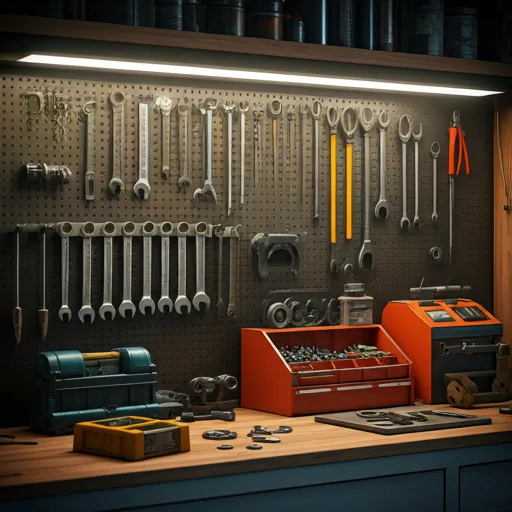
The difference shows up in the details: the gauge of the steel, the precision of the torque calibration, the winding bars that won’t slip under load. A consumer winding bar that flexes even slightly during spring tension can cause a violent and dangerous release of energy. Professional bars are rigid, properly sized, and rated for the specific spring diameters they’re meant to handle.
Precision matters more than it looks
Garage door springs are not a one-size-fits-all component. Torsion springs are sized by wire diameter, inside diameter, and length — and the combination determines exactly how much torque is applied to lift the door. A kit from a big-box store often includes springs that are close enough, but not correct.
A spring wound with the wrong tension creates uneven lift, puts stress on the cables and drums, and shortens the lifespan of every connected component. Professional technicians use calibrated tools that set the exact number of turns required for the door’s specific weight, ensuring balanced, smooth operation from day one.
Safety isn’t a feature — it’s the point
Torsion springs operate under extreme tension. A spring that’s improperly wound or released with inadequate tools can cause serious injury. Professional equipment includes containment systems, proper leverage ratios, and safety checks built into the process itself. Consumer kits don’t come with the training to use them safely, and no instruction sheet can replace hands-on experience with high-tension hardware.
The long-term cost comparison
A store-bought kit might cost $40–$80. A professional repair with quality parts typically runs more upfront — but it includes high-cycle springs rated for 20,000 to 30,000 cycles, proper tension calibration, and a warranty on the work. The consumer kit may need replacing in under two years. The professional repair may last a decade.
When you factor in the cost of a second (or third) repair, plus the risk of collateral damage from a failed spring — a broken cable, a bent track, or damage to the opener itself — the economics shift decisively toward doing it right the first time.
When DIY makes sense, and when it doesn’t
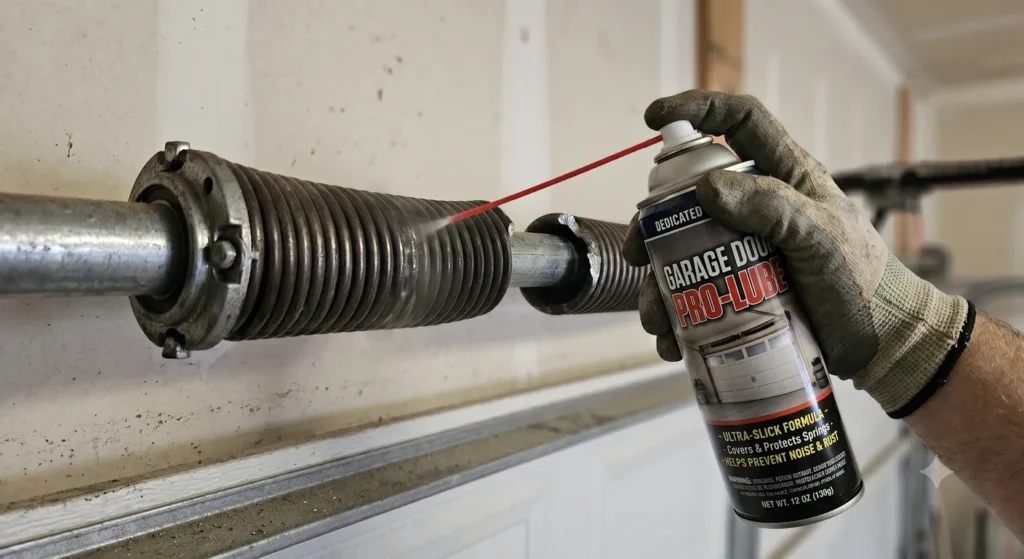
There are legitimate maintenance tasks any homeowner can handle: lubricating the springs and rollers, testing the auto-reverse sensor, tightening loose hardware. These don’t require specialized tools or training.
Spring replacement is different. It involves stored mechanical energy, precision calibration, and components that can cause serious harm if handled incorrectly. This is the category where professional tools — and the professionals who use them — are not a luxury. They’re the difference between a repair that holds and one that doesn’t.