A garage door is one of the heaviest moving objects in any home, often weighing between 150 and 400 pounds depending on the material and size. For most families, it opens and closes multiple times a day — and children are often nearby when it does. The auto-reverse sensor system is the single feature designed to prevent a closing door from making contact with anything in its path. Testing it takes two minutes. Skipping it isn’t worth the risk.
How the sensor reversal system works
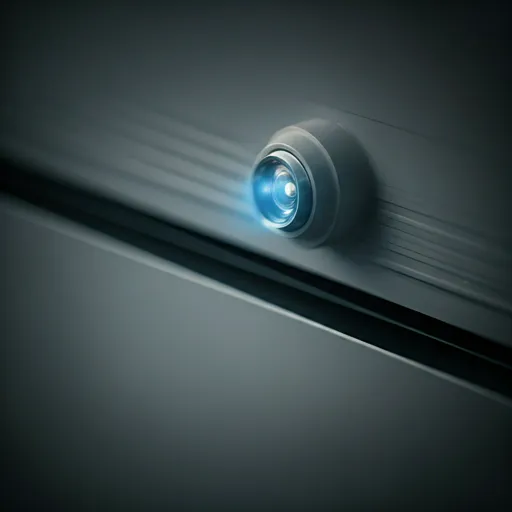
Modern garage door openers use two safety mechanisms that work together. The first is the photoelectric sensor — a pair of small devices mounted near the floor on either side of the door opening. One emits an infrared beam, the other receives it. When something breaks that beam while the door is closing, the door stops and reverses automatically.
The second mechanism is the pressure-based auto-reverse, built into the opener’s motor. If the door makes physical contact with an object and encounters resistance, it’s designed to reverse direction immediately.
Both systems need to be working correctly. A door that only has one functioning is not fully protected.
The 2-minute test
Testing both systems requires nothing more than a flat object — a 2×4 piece of wood works well — and about two minutes.
For the photoelectric sensor: while the door is open, wave your hand or foot through the beam path (near the floor, between the two sensors) while the door is closing. The door should immediately stop and reverse. If it doesn’t, the sensors may be misaligned, dirty, or faulty.
For the pressure auto-reverse: place the 2×4 flat on the ground in the center of the door’s path. Close the door using the wall button or remote. When the door contacts the board, it should reverse within one to two seconds. If the door continues pressing down against the board without reversing, the force sensitivity needs to be adjusted.
What to check if the test fails
If the photoelectric sensor doesn’t trigger, start with the basics: wipe the sensor lenses clean with a dry cloth — dust and spider webs are the most common cause of misalignment errors. Check that both sensors have a solid green or amber light (varies by brand). If one is blinking or off, the sensors are likely out of alignment and need to be repositioned until the beam locks.
If the pressure auto-reverse fails, consult your opener’s manual to locate the force adjustment dial or setting. Most openers have a down-force sensitivity control that can be reduced so the door reverses more readily on contact. After adjusting, repeat the board test until the reversal is consistent.
If either system still doesn’t function correctly after these steps, the problem may be electrical or mechanical — at that point, a professional inspection is the right call.
How often to run this test
The Consumer Product Safety Commission recommends testing the auto-reverse feature monthly. That’s a reasonable standard, especially in households with young children or pets. It takes less time than checking smoke detector batteries and protects against a far more immediate hazard.
Seasonal changes can also affect sensor alignment — temperature shifts cause the door frame and hardware to expand and contract slightly, which can knock sensors just enough out of position to interrupt the beam. A quick test at the start of each season catches these issues before they become dangerous.
A note on older openers
Garage door openers manufactured before 1993 are not required to meet current auto-reverse standards and may not have photoelectric sensors at all. If your opener predates that era and lacks a visible sensor pair near the floor, replacement is strongly recommended — not as a maintenance item, but as a safety upgrade. The technology is reliable, affordable, and required on all new units for good reason.